The only thing limiting Taylor Swift’s popularity is partisan polarization
Published in Political News

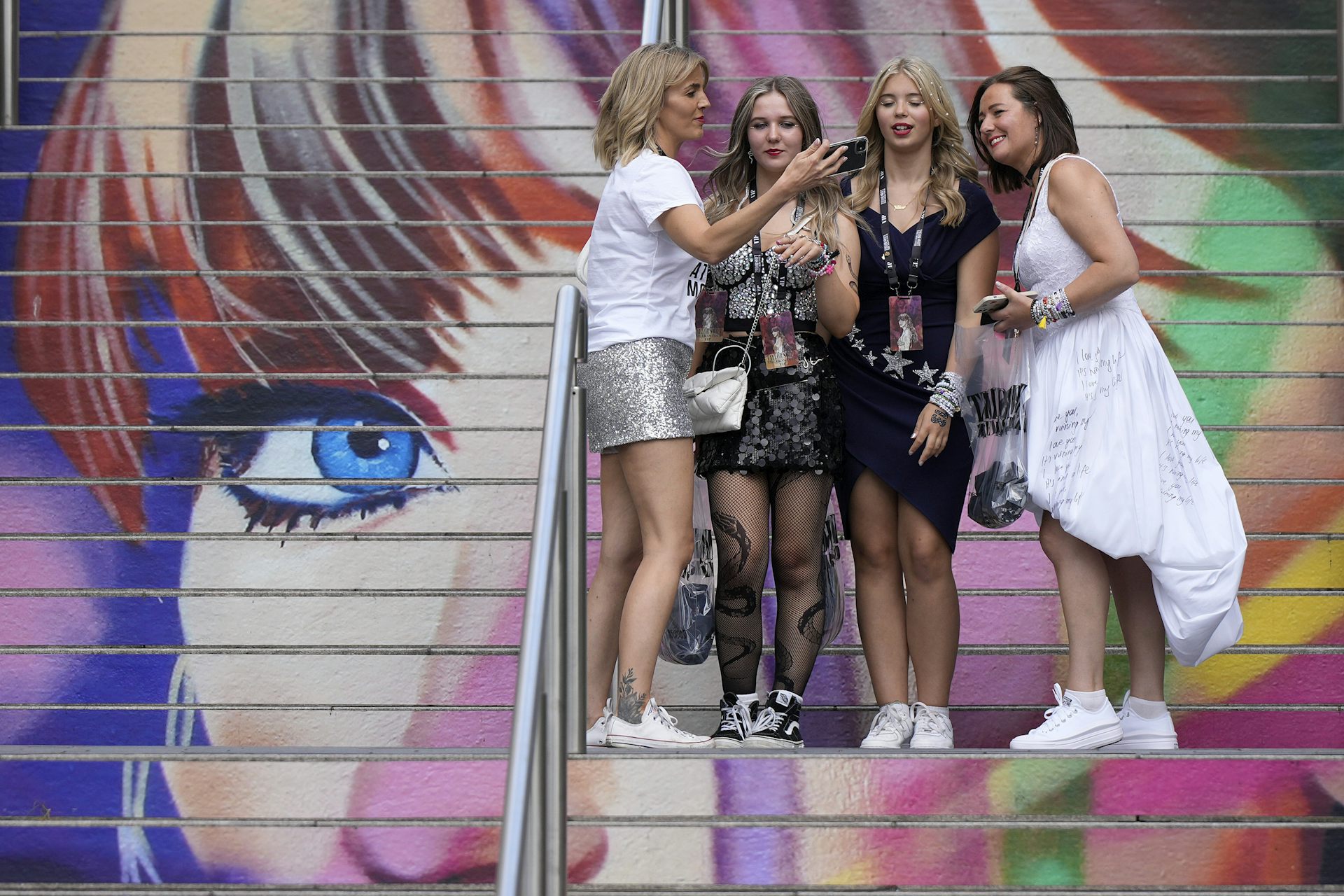
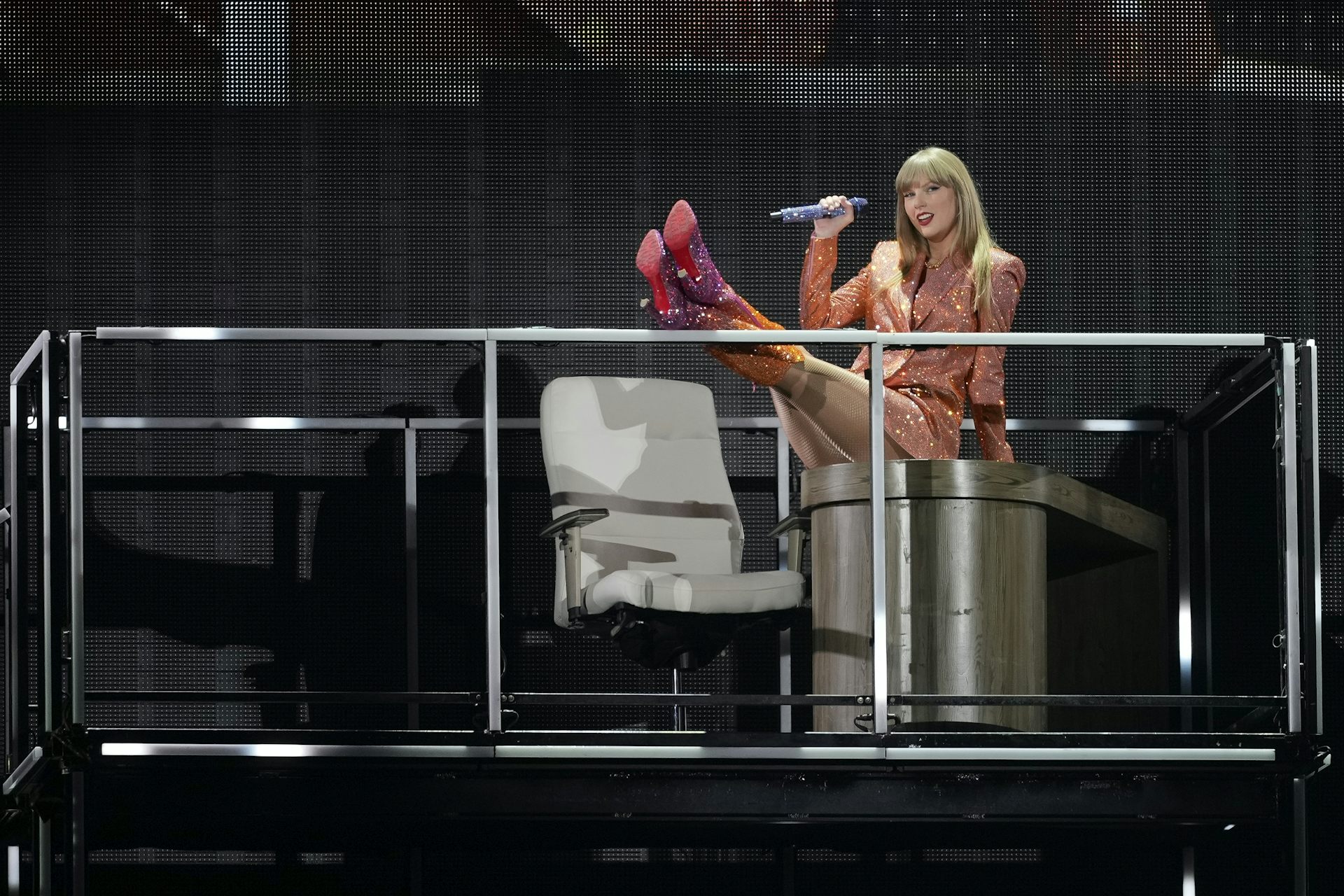



Taylor Swift’s latest album, “The Life of a Showgirl,” generated a cultural whirlwind: chart-topping success, social media saturation and frenzied debate over her artistic evolution.
Nonetheless, despite this warm reception, opinions on Swift are deeply polarized by party. Democrats are far more likely to view her positively; Republicans are more likely to hold negative views. This partisan divide remains in place even after accounting for age, gender and other demographic differences.
We are political scientists who conduct research on public opinion. In our just-published study, “Mirrorball Politics,” we draw on national survey data to examine how Americans feel about Swift and what those feelings reveal about our politics. What we find is striking: Swift has become a cultural mirror, reflecting our society’s deepest social and political fault lines.
In other words, liking or disliking Swift has become yet another way Americans signal who they are politically. Young women love her, but young men don’t – and that gap matters.
This is part of a broader trend in which cultural preferences and political identity have collapsed into each other. The type of beer you drink, the kind of car you drive, the stores you shop at and now the musical artists you admire have become markers of political belonging – and difference.
Popular entertainment used to be a common space where Americans, regardless of whether they were Republicans or Democrats, could come together and have some fun. Those shared spaces are shrinking – and with them the opportunity for connection across partisan divides.
That’s why feelings toward Swift offer warning signs for the future of American politics.
One of the starkest divides we found is between young men and young women. Gen Z women – those born between 1997 and 2012 – admire Swift. Gen Z men, not so much. On a 100-point scale measuring attitudes toward Swift, young women averaged 55, while young men averaged 43 – a statistically significant difference that was not present among older Americans.
This gender gap mirrors the widening political divide among younger Americans that played a pivotal role in the 2024 presidential election. Although a modest gender gap has been a consistent, defining feature of American electoral politics since 1980, the gap among young Americans is huge.
Young women are markedly progressive in their politics. Young men, by contrast, are trending rightward.
Many young men express skepticism toward feminism, discomfort with shifts in gender norms and a growing attraction to more conservative cultural messaging.
This yawning gender gap is also reflected in views regarding Swift.
The strongest predictor of negative views of the singer, aside from partisanship, is “hostile sexism.” This is defined as negative attitudes toward women and a sense that men should dominate.
Our study finds that individuals who believe that women’s achievements come at men’s expense, or that women have too much power, are far more likely to dislike Swift. This effect is especially strong among men and particularly among Republican men.
Swift’s enormous success, artistic autonomy and cultural influence appear to trigger anxieties about women’s power in public life. The backlash is not about her lyrics or her image. It’s about what she represents: a confident, self-directed woman at the center of American culture.
This dynamic reveals the broader challenges facing women in positions of authority, including in politics. Hostile sexism remains a force in American society and a formidable barrier for any woman aspiring to the presidency.
Swift didn’t create these divisions – she is simply reflecting them back. But the intensity of the reaction to her success reveals how conflicted America remains about women’s power.
Our study also shows that people who scored high on hostile sexism were much more likely to hold negative views of Kamala Harris during the presidential election of 2024. This mirrors findings from earlier research showing that hostile sexism was one of the strongest reasons voters did not support Hillary Clinton in 2016.
That conflict is not abstract. It is shaping who we elect and whether women can lead without triggering backlash. As the United States marks its 250th anniversary as a democractic nation, we have yet to elect a woman as president, and women remain significantly underrepresented in high-level political positions.
Democracy depends on some measure of shared reality and common ground. When even pop stars become partisan litmus tests, that common ground keeps shrinking.
This article is republished from The Conversation, a nonprofit, independent news organization bringing you facts and trustworthy analysis to help you make sense of our complex world. It was written by: Laurel Elder, Hartwick College; Jeff Gulati, Bentley University; Mary-Kate Lizotte, Augusta University, and Steven Greene, North Carolina State University<
Read more:
Why Taylor Swift is an antihero to the GOP − but Democrats should know all too well that her endorsement won’t mean it’s all over now
Your political rivals aren’t as bad as you think – here’s how misunderstandings amplify hostility
Super Bowl party foods can deliver political bite – choose wisely
The authors do not work for, consult, own shares in or receive funding from any company or organization that would benefit from this article, and have disclosed no relevant affiliations beyond their academic appointment.
















































Comments