The Quiet Rebellion of Comfortable Shoes
Published in Fashion Daily News
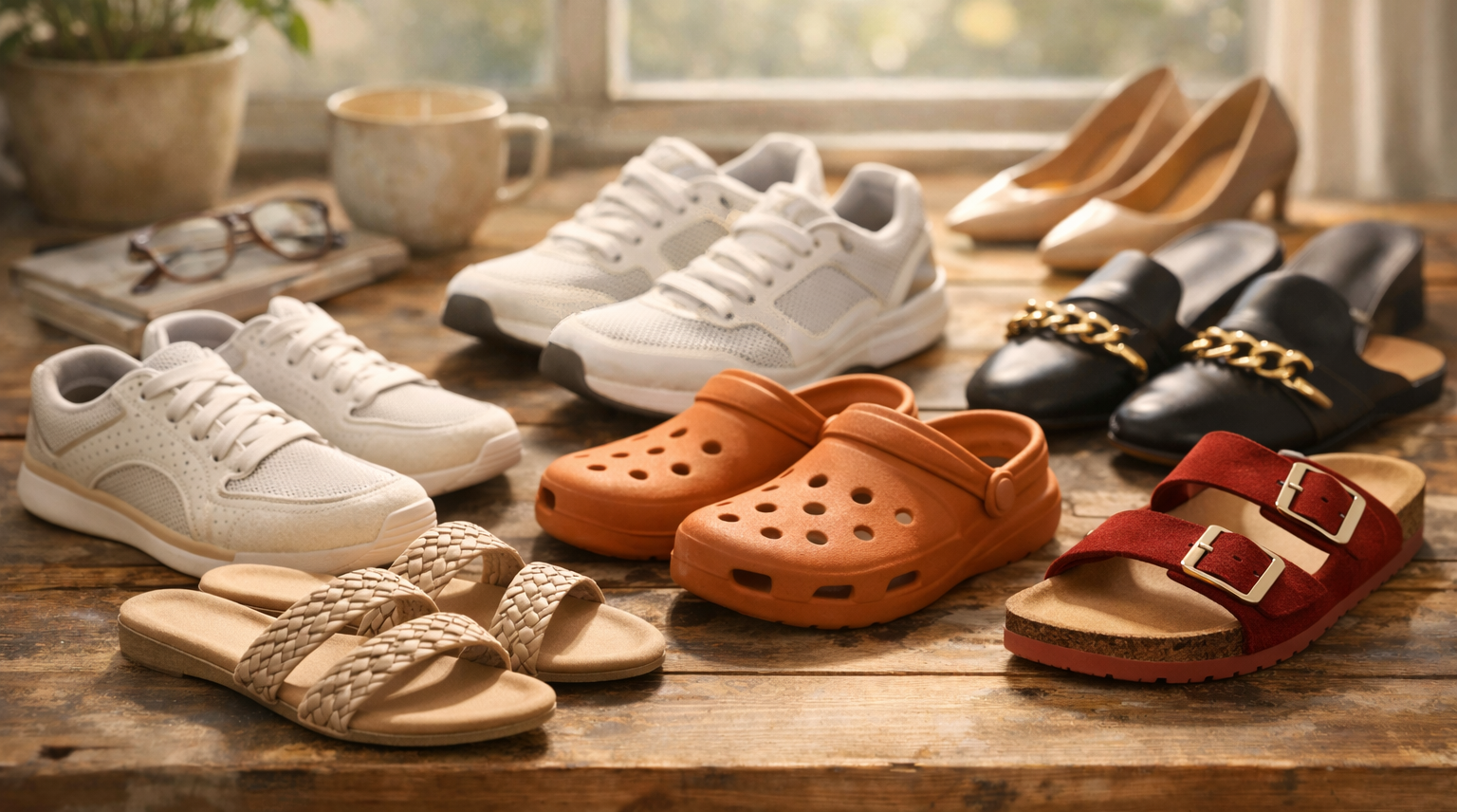
For much of the last century, shoes have been a quiet battleground. Comfort and style were treated as rivals, with fashion winning most of the time. High heels, narrow toe boxes and rigid soles became signals of professionalism, femininity or success, even when they hurt. Pain, it turned out, was part of the look.
That assumption is now cracking. Across workplaces, sidewalks and social media feeds, people are choosing shoes that put comfort first and refusing to apologize for it. Sensible footwear has stopped whispering and started making its case plainly. The shift is not loud or flashy. It is steady, practical and deeply felt, especially by people who have spent decades sacrificing their feet for aesthetics.
From necessity to statement
Comfortable shoes were once framed as a concession. You wore them after surgery, during pregnancy or once you had “given up.” Athletic sneakers and orthopedic sandals existed on the margins, tolerated but rarely celebrated.
What changed was not just taste, but context. The pandemic accelerated a reevaluation of daily habits, including what people put on their bodies. With commutes shortened and offices relaxed, rigid dress codes loosened. Shoes designed for endurance, not display, slipped into everyday life and stayed there.
At the same time, demographics played a role. Millennials and Gen Xers are now deep into middle age, balancing work, caregiving and physical wear. Comfort is no longer a luxury; it is infrastructure. Younger generations, raised with sneakers as default footwear, see little reason to trade health for polish. The result is a broad coalition that treats comfortable shoes not as a fallback, but as a preference.
The science underfoot
The rebellion has data behind it. Podiatrists have long warned about the cumulative damage caused by unsupportive shoes: plantar fasciitis, bunions, knee and back pain. For years, those warnings competed with fashion cycles and lost.
Now, the language of ergonomics has entered mainstream conversation. People talk about arch support, shock absorption and natural gait with the same fluency once reserved for heel height. Shoe companies, sensing the shift, increasingly foreground biomechanics in their marketing, presenting comfort as rational, modern and even aspirational.
This does not mean everyone has suddenly become a foot-health absolutist. It does mean that ignoring discomfort feels less defensible than it once did. Pain is no longer proof of effort or elegance. It is increasingly seen as a design flaw.
Birkenstock and the makeover problem
No brand illustrates this moment better than Birkenstock. For decades, its cork-footbed sandals were synonymous with practicality, counterculture and, depending on who you asked, unfashionable stubbornness. They were worn because they worked, not because they impressed.
That reputation is now being actively reshaped. Birkenstock has introduced a new line of explicitly “fashionable” sandals, pairing its signature footbed with sleeker silhouettes, updated materials and trend-aware colors. The message is careful: the comfort remains nonnegotiable, but the aesthetics are no longer an afterthought.
The move reflects a larger tension within the comfort shoe boom. As these shoes gain cultural capital, brands face pressure to polish them, slim them down and make them palatable to style-conscious consumers. The risk is that, in chasing fashion credibility, they dilute the very qualities that made them appealing.
So far, Birkenstock’s approach suggests a compromise rather than a surrender. The shoes still look like Birkenstocks. They simply look like Birkenstocks that expect to be seen.
Workplaces catch up
One of the most significant arenas for this shift is the workplace. Office dress codes have softened in many industries, with hybrid and remote work blurring the line between professional and personal attire. Shoes once reserved for weekends now appear in conference rooms.
This is not merely casualization; it is pragmatism. Employers have become more aware of inclusivity, including the physical realities of aging, disability and long-term health. Comfortable shoes are easier to defend than ever, especially when productivity and well-being are framed as linked.
There is also a subtle class element. Expensive shoes that hurt are losing their status-signaling power. In their place, well-made, durable shoes that support the body suggest discernment rather than indulgence. Knowing what you need, and choosing it unapologetically, reads as confidence.
Gender, age and the end of endurance fashion
The quiet rebellion is particularly resonant for women, who have historically borne the brunt of uncomfortable footwear norms. High heels and narrow shoes were treated as markers of femininity and professionalism, even as they restricted movement and caused long-term damage.
Rejecting those norms does not look like protest marches or manifestos. It looks like women in their forties, fifties and sixties choosing shoes that let them walk, stand and live without pain. It looks like younger women refusing to start a cycle they have watched their mothers endure.
This is not an abandonment of style. It is a recalibration of priorities. Beauty that demands injury is being reclassified as outdated. Comfort is no longer coded as masculine, matronly or lazy. It is coded as sane.
A future that fits
The rise of comfortable shoes is unlikely to reverse. Once people experience daily life without foot pain, the appeal of returning to punitive footwear diminishes quickly. Fashion, which thrives on novelty, may cycle through silhouettes and materials, but the baseline expectation of comfort is now set.
Brands that understand this are investing in design that integrates support rather than disguises it. Consumers are becoming savvier, less willing to accept cosmetic changes that compromise function. The conversation has shifted from “Can I get away with these shoes?” to “Why shouldn’t these be enough?”
The rebellion is quiet because it does not need to shout. It advances step by step, supported by cork footbeds, cushioned soles and a growing consensus that bodies deserve care. Comfortable shoes are no longer a punchline or a guilty pleasure. They are a small, daily declaration that pain is optional, and that good design should meet people where they stand.
========
Lena Markowitz is a lifestyle and culture writer focused on design, aging and the intersection of health and everyday choices. She has reported on consumer trends and social shifts for regional and national outlets. This article was written, in part, utilizing AI tools.






Comments