Savoring the benefits of bone broth
Published in Health & Fitness
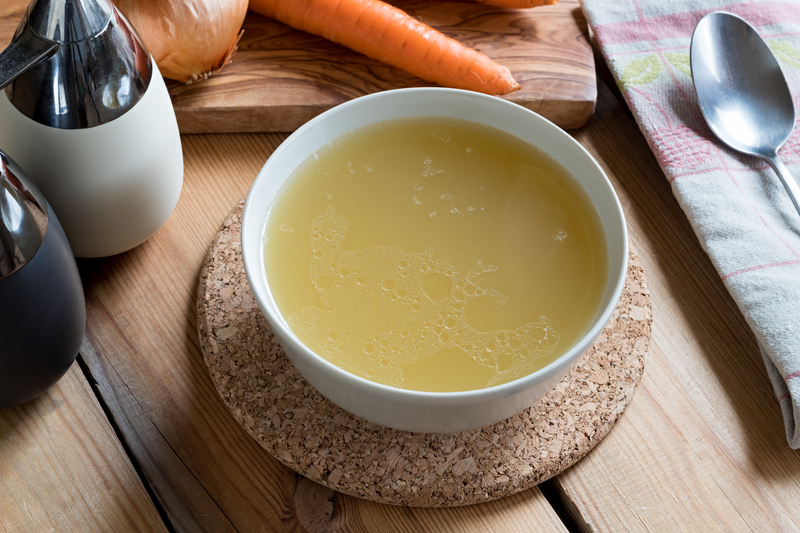
If you’ve been to the soup section of the supermarket lately, you’ve probably noticed that bone broths are crowding the shelves. These savory broths are having a moment, especially among those following paleo, keto, or other trendy low-carb diets.
What is bone broth?
At its simplest, bone broth is made by simmering animal bones (usually chicken or beef) in water for a long period of time, extracting their nutrients and flavors to produce a savory broth. Meat, skin, and connective tissue may also be simmered with the bones, along with aromatic vegetables, herbs, and seasonings for flavor. Most bone broth recipes include an acidic ingredient like vinegar to help break down the collagen and minerals in the bones.
How bone broth is different
Because it’s made mostly from bones, bone broth is different from regular broth, which is traditionally made from meat (along with vegetables and flavorings) and simmered for a much shorter time. Bone broth also has a slightly thicker texture and a richer mouth feel than regular broth, because the cooking process converts some of the collagen in the bones to gelatin.
Bone broth and stock, however, are essentially the same thing: they’re both based on bones rather than meat, and include similar vegetables and seasonings. The difference is mostly in timing: Stocks generally simmer for a few hours, while bone broth recipes usually call for much longer cooking -- from four to six hours to as much as a day or more -- until the bones are almost falling apart.
Nutritional benefits
Bone broth provides a fair amount of protein — about 8 to 10 grams per cup, versus just 2 to 6 grams in a cup of most broths or stocks. Getting enough protein is important to maintain or gain muscle mass as you get older, as well as for overall health and well-being.
Bone broth also contains small amounts of calcium, magnesium, and phosphorus — minerals that support many aspects of health.
You can boost the nutritional punch of bone broth by using it as a soup base and adding chicken (for more protein); beans or lentils (rich in protein and fiber); and chopped vegetables such as yellow squash, spinach, kale, tomatoes, carrots or peas (all loaded with vitamins and beneficial plant chemicals).
What to look for in store-bought versions
Choosing a store-bought bone broth is mostly a matter of taste. But it should also be based on the ingredients: some bone broths contain preservatives, coloring, artificial flavoring and salt. Read the Nutrition Facts Labels carefully, and try to find the bone broth with the fewest additives.
Also, whether you are shopping for chicken bone broth or beef bone broth, look for reduced-sodium or low-sodium varieties, as some can weigh in at over 450 milligrams of sodium per cup. That’s about 20% of the recommended daily sodium limit.
An alternative is making your own bone broth. Try not to be intimidated by the process; even though the cooking time is long, it's mostly hands-off. What’s more, preparing your own bone broth will allow you to adjust the ingredients and salt to your taste. The satisfaction of simmering this savory broth, and using it to create healthy, delicious homemade soups or stews, will be well worth the effort.
A simple homemade bone broth recipe
To make about 6 to 8 cups of bone broth, place 2 to 3 pounds of chicken or beef bones in a large, deep pot (you can roast them first, for extra flavor and deeper color). If you like, add some roughly chopped vegetables like carrot, celery, and onion, and seasonings like thyme and bay leaf. Pour in about 12 cups of water, or enough to cover by several inches, and 1 or 2 tablespoons of vinegar.
Cover and bring the broth just to a boil, then reduce the heat to low and simmer for 12 hours. Strain through a fine-mesh sieve, discarding the bones and solids (you can compost them). Season to taste with salt and pepper.
(Joyce Hendley is a staff writer for Harvard Health Publishing.)
©2026 Harvard University. For terms of use, please see https://www.health.harvard.edu/terms-of-use. Distributed by Tribune Content Agency, LLC.









Comments