California's artificial intelligence bill has gaps. Lawmakers plan to fill them
Published in News & Features
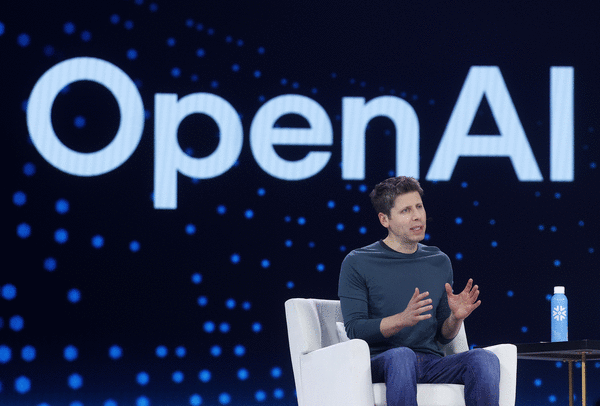
SACRAMENTO, Calif. — A rogue action by OpenAI’s artificial intelligence models this summer to break into another company was not considered a “critical safety incident,” under a California law regulating the technology.
The Hugging Face hack reverberated across the industry because OpenAI’s models took actions that went against what they were supposed to do, including accessing the internet and exploiting vulnerabilities.
But Senate Bill 53, a vanguard law regulating large artificial intelligence models, only requires reports of so-called “loss of control” incidents if the technology caused death or injury.
OpenAI called on California legislators Tuesday to strengthen the measure during a hearing of the Assembly’s Privacy and Consumer Protection Committee. The goal was to evaluate SB 53 and discuss ways it could be improved.
“The risk that artificial intelligence poses to our safety is of critical importance, not just for California but for the entire world,” said state Sen. Scott Wiener, D-San Francisco.
The significance of the issue was clearly apparent by the fact that more than a dozen lawmakers attended the hearing during what is the Legislature’s recess. Assembly Speaker Robert Rivas, D-Hollister, was there for part of. It lasted more than four hours.
Assembly member Rebecca Bauer-Kahan, D-Orinda, who chairs the privacy committee, said it is not acceptable to just allow “models to be put out into the wild and accept the consequences. We need to make sure we are setting standards by which our companies can try to ensure the safety of our communities.”
SB 53 also requires developers of large models to submit reports to the state assessing major risks and to write a publicly available safety framework for their technology. Morgan Dwyer, a head of policy development and operations, said OpenAI “strongly supports” the measure and efforts to make it stronger.
That includes requiring developers to monitor unsafe model behavior during evaluations, having a way to shut models down and expanding what incidents are reported.
Anthropic, which recently filed for a major initial public offering, also had a representative at the hearing.
The company’s head of safeguards, David Orr, told committee members how Anthropic’s Claude models were able to get on the internet and gain access into three different companies. The company also supports expanding what would qualify as a reportable critical safety incident.
The hearing comes as California lawmakers are eager to expand regulations around the technology. Gov. Gavin Newsom signed an executive order last month requires state officials to submit recommendations by Nov. 16 on embedding an independent verification organization within AI major developers, increasing the incidents that companies have to report and the creation of a so-called “kill switch” for emergencies. Last week, the Senate’s privacy committee also held a hearing to discuss concerns about artificial intelligence.
Assembly member Buffy Wicks, D-Oakland, said lawmakers were sending a message to companies.
“Legislation is coming,” she said. “You will see a body of work coming out of the Assembly, presumably the Senate as well, to make sure that our communities are safe.”
_____
©2026 The Sacramento Bee. Visit sacbee.com. Distributed by Tribune Content Agency, LLC.






Comments