Worried about El Niño? Here's what San Diegans need to know to prepare
Published in News & Features
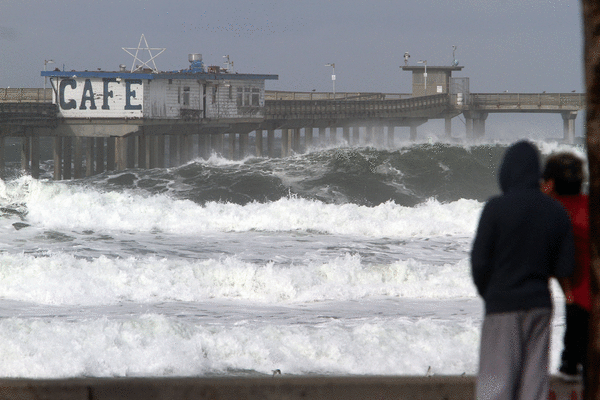
SAN DIEGO — San Diego County is preparing for the impacts of a climate phenomenon known as El Niño, a result of warmer water in the Pacific Ocean that could lead to anything from heavy rainfall and flooding to mudslides and power outages.
The region has already seen some of these effects with recent heat, big waves and coastal erosion.
Public officials are planning ahead to face the threat of extreme weather. That includes Gov. Gavin Newsom declaring an emergency for the state on Sept. 21 and San Diego County officials following suit and declaring a local emergency Wednesday. These actions allow emergency officials to access resources and plan ahead for disaster.
People living in San Diego County have a range of resources to consider as they prepare for possible emergency situations to occur. Here are some options to consider.
What are the first things to think about?
San Diego County residents can learn their risks through a Know Your Risks tool at alertsandiego.org/en-us/preparedness/flooding/elnino.html. Scroll down to find the tool. Locals can type in their ZIP code and see how they may be impacted by flooding and other hazards. They can also look at the county overall to see areas to avoid or help to inform their friends, family and businesses.
The Federal Emergency Management Agency also offers flood maps and researches at fema.gov/flood-maps/tools-resources/risk-map.
Ashley Gain, a program manager overseeing community engagement and preparedness for the county’s Office of Emergency Services, says the next thing to emphasize is knowing your emergency plan in advance.
“A lot of people think they have a plan, but they kind of just have a general backpack with a couple things in it in the trunk of their car,” Gain said. “But it’s more like, if you need to have extra medications in a go-kit, if your medications need to be refrigerated, thinking about what it looks like if the electricity goes out. Really, what would be interrupted in your day-to-day life if something were to happen?”
She said that also includes planning for pets. The Office of Emergency Services has resources for making a plan at alertsandiego.org/en-us/preparedness/make-a-plan.html. There is also a guide for making plans for older adults, people with disabilities and for caregivers.
What are public officials doing to prepare?
Officials say they are clearing and inspecting flood-prone areas, monitoring weather and road conditions, and preparing staff and equipment.
Gain said the county has been meeting with the Live Well San Diego network to give presentations on weather forecasts and preparedness actions so they can take that information to their communities.
“On the emergency management side, we’ve been bringing in more experts to just brief all the regional emergency managers, such as the hospital emergency managers, the military ones, all the cities have their own emergency managers, so we’re trying to get kind of everyone on the same page for what the threats are and what the needs are,” Gain said.
San Diego County has launched a new El Niño 2026 Informational Hub at alertsandiego.org/en-us/preparedness/flooding/elnino.html. The site has a section on how to prepare, as well as what the county is doing to prepare, and resources and tools to use during an emergency.
What supplies do I need?
At the website 211sandiego.org/el-nino/#el-nino-impacts, San Diegans can enter their ZIP code to find the nearest location for sandbags to protect their home or business from flooding.
The Red Cross has guidance for creating an emergency kit at redcross.org/get-help/how-to-prepare-for-emergencies/survival-kit-supplies.html.
How can I prepare my home?
Emergency officials suggest taking an audit of your floor plan and exit routes, which includes apartment dwellers knowing all the access points for their buildings.
Other tips for preparing your home from FEMA: elevate your property’s utilities if possible, clear gutters, move valuable belongings to higher levels in your home and consider getting a water alarm if you will be away from your home during a weather event. Home and business owners should also check their roofs in advance for holes and loose tiles.
Locals should also know how to shut off their power or water to their home if directed by emergency officials.
Apartment dwellers can speak to their property managers about how they’re planning for extreme weather. People in houses and apartments can review their insurance policies for flooding and other weather-related coverage.
Renters can learn more about their rights and weather preparedness at sandiego.gov/storm-preparedness/renters-rights.
Mud slides may also be a concern, and the city of San Diego recommends inspecting bare areas that could lead to mud flow during a storm.
“Consider covering or vegetating bare areas prior to the storm season,” says guidance on the city’s El Niño page. “Consider covering and securing mounds of loose soil or fill material.”
Sloped areas are also important to examine in advance, and locals should look for “signs of erosion, gullies, surface cracks and slumping.”
The city of San Diego has guidance for business owners at sandiego.gov/elnino/preparing-your-business.
How can boaters prepare?
The California Parks Division of Boating and Waterways and the California Coastal Commission have issued guidance on El Niño, which includes advice for staying in tune with water conditions.
Before a storm, according to these agencies, boaters should:
1. Monitor official weather forecasts and alerts frequently as conditions can shift quickly.
2. Secure loose gear on vessels, including canvas, lines, fenders, sails and electronics.
3. Inspect and reinforce dock lines, fenders and chafe gear.
4. Ensure emergency supply kits — for home and vessel — are fully stocked and current.
5. File or update a float plan with a reliable contact and notify them of any schedule changes.
More information, including guidance for marinas, can be found at dbw.parks.ca.gov/?page_id=29475.
How can I keep an eye on conditions?
The San Diego Union-Tribune reports on the weather each week, with input from experts and officials, at sandiegouniontribune.com/weather.
Local weather reports by the National Weather Service can be found at weather.gov/sgx. Visitors to the site can click on Graphical Hazardous Weather Outlook to see forecasts for 24 hours for risks such as excessive rainfall, extreme heat, high surf, marine hazards, rip currents, and wind. They can also find current conditions, current hazards, forecasts and a weather radar.
Where else can I go for weather updates?
The Office of Emergency Services recommends signing up for the county’s reverse 911 system and emergency alerts at alertsandiego.org/en-us/preparedness/alertsandiego.html. Locals can register their address or the address of a loved one for emergency alerts in their area.
What should I think about during a storm?
Gain said it’s important to pay attention to announcements from emergency officials, because the guidance may be different than what residents think.
“Floods are really weird. Sometimes guidance will be to evacuate, sometimes it’s going to be to shelter in place, so know that your plan might need to change depending on what type of event it is,” Gain said.
That said, evacuation may be necessary. The California Department of Transportation will report road closures online and on social media.
“Six inches (of rainwater) deep can move a human and 12 inches deep can move a small car,” Gain said. “If you see water pooling, obviously turn around; don’t drown. The alerting messaging is big because a lot of time we’ll issue a shelter-in-place because we don’t want people out on the roads because the conditions aren’t safe to drive in.”
Where else can I go for information?
The nonprofit organization, 211 San Diego, has produced a web page dedicated to information about El Niño. Locals can also call the number 211 to get information around the clock in over 200 languages.
At the website 211sandiego.org/el-nino/#el-nino-impacts, there are links for websites sharing road hazards, current weather conditions, a power outage map and more. The 211 website also offers information on disaster response and recovery services, animal rescue and evacuation.
Some San Diego County cities may also have El Niño web pages, and residents are encouraged to check in with their local officials for advice specific to their city or neighborhood. People in coastal cities should monitor for high surf, erosion and flood concerns.
©2026 The San Diego Union-Tribune. Visit sandiegouniontribune.com. Distributed by Tribune Content Agency, LLC.






Comments